
Choosing the right siding for your California home is one of the most important exterior decisions you will make. The wrong material can crack in the heat, warp from coastal moisture, or become a liability in fire-prone areas. The right one can protect your home for decades while keeping it looking great.
California’s climate is anything but simple. The Bay Area brings marine fog and salt air. Inland valleys push triple-digit summer temperatures. Foothills face real wildfire risk. Each of these conditions affects how a siding material performs over time.
That is why understanding the different types of siding available, and how each one responds to California’s specific conditions, matters so much before you commit to a material.
This guide walks you through the most common siding options on the market today. We will compare them across durability, fire resistance, moisture tolerance, maintenance needs, and overall value so you can make a decision that fits your home, your neighborhood, and your long-term goals.
Understanding California’s Climate Challenges for Siding
California is not one climate; it is many. What works beautifully in a mild coastal town may fail quickly just thirty miles inland.
In Contra Costa County and the greater Bay Area, homeowners deal with a mix of marine humidity, seasonal fog, salt air near the coast, and dry summer heat. These shifting conditions stress exterior materials in ways that homeowners in other states simply do not face.
Wildfire risk has also changed the conversation around siding in recent years. More communities now sit in or near high fire hazard severity zones, which means fire resistance is no longer optional for many homeowners; it is a requirement.
When we compare the major types of siding throughout this article, we will consistently bring the evaluation back to these California-specific factors. Understanding what your siding will face is just as important as understanding what each product offers.
Fiber Cement Siding: The Gold Standard for California Homes
Fiber cement is widely considered the top-performing siding material for California homes, and for good reason. It holds up against heat, humidity, salt air, and fire in ways that most other materials simply cannot match.
What Makes Fiber Cement Stand Out
Fiber cement is made from a blend of cement, sand, and cellulose fiber. That composition gives it impressive dimensional stability, meaning it does not expand and contract dramatically with temperature swings the way wood or vinyl can.
It is also non-combustible. That is a significant advantage for homeowners in wildfire-prone areas across the Bay Area and foothills. Many local building codes and insurance providers now favor or require non-combustible exterior cladding.
Golden State Builders Group offers James Hardie fiber cement siding, which is engineered for climate-specific performance. The HardieZone system is designed to match siding formulations to regional weather conditions, making climate an important consideration when choosing siding for California homes.
James Hardie Products Worth Knowing
James Hardie offers several product lines that suit different home styles and budgets. HardiePlank lap siding is the most popular and mimics the look of traditional wood clapboard. HardieShingle siding replicates the appearance of cedar shingles. HardiePanel works well for modern and contemporary homes with vertical siding profiles.
All of these products come pre–primed and are available with a factory-applied ColorPlus finish that resists fading, chipping, and peeling far better than field-painted wood. For California homeowners who want low maintenance without sacrificing curb appeal, this combination is hard to beat.
The durability of James Hardie products is backed by a 30-year limited warranty, which speaks to the long-term value proposition these materials offer.
Vinyl Siding: Affordable but Limited in California
Vinyl siding remains one of the most popular types of siding in the country because of its low upfront cost and minimal maintenance requirements. However, it has some real drawbacks when evaluated through a California lens.
The Case for Vinyl
Vinyl does not rot, it does not need painting, and it is generally easy to clean. For homeowners on a tighter budget, it offers an accessible entry point into new siding without requiring significant ongoing care. It also comes in a wide range of colors and profiles.
In mild, temperate climates with stable temperatures, vinyl performs reasonably well. If your home sits in a sheltered coastal area without extreme heat exposure, vinyl may be worth considering.
Where Vinyl Falls Short
High heat is vinyl’s biggest enemy. In inland California communities where summer temperatures regularly exceed 90 or even 100 degrees Fahrenheit, vinyl can warp, buckle, or fade. Dark-colored vinyl panels are especially vulnerable to heat absorption and deformation.
Vinyl also carries a Class A fire rating only when installed over fire-rated materials, and its melting behavior in a fire raises questions for homeowners in or near fire hazard zones. For many California locations, vinyl is simply not the strongest long-term choice when measured against more resilient options.
Wood Siding: Classic Appeal With Higher Demands
Wood siding has been used on homes for centuries, and its natural warmth and character remain hard to replicate. Redwood and cedar are the traditional choices for California homes, and both offer some natural resistance to insects and decay.
That said, wood demands consistent upkeep. In California’s varied climate, wood siding must be painted or stained regularly to prevent moisture intrusion, splitting, and warping. Coastal homes face accelerated weathering due to salt air, which speeds up the breakdown of paint and surface finishes.
Wood also carries significant wildfire risk unless treated with fire-retardant coatings, and those coatings must be reapplied over time to remain effective. For homeowners in high fire severity zones, untreated wood siding can actually disqualify a home from certain insurance policies.
The beauty of wood is real, but so is the maintenance commitment. Homeowners need to weigh the visual payoff against the ongoing costs and climate risks before choosing wood for a California exterior.
Engineered Wood Siding: A Middle Ground Option
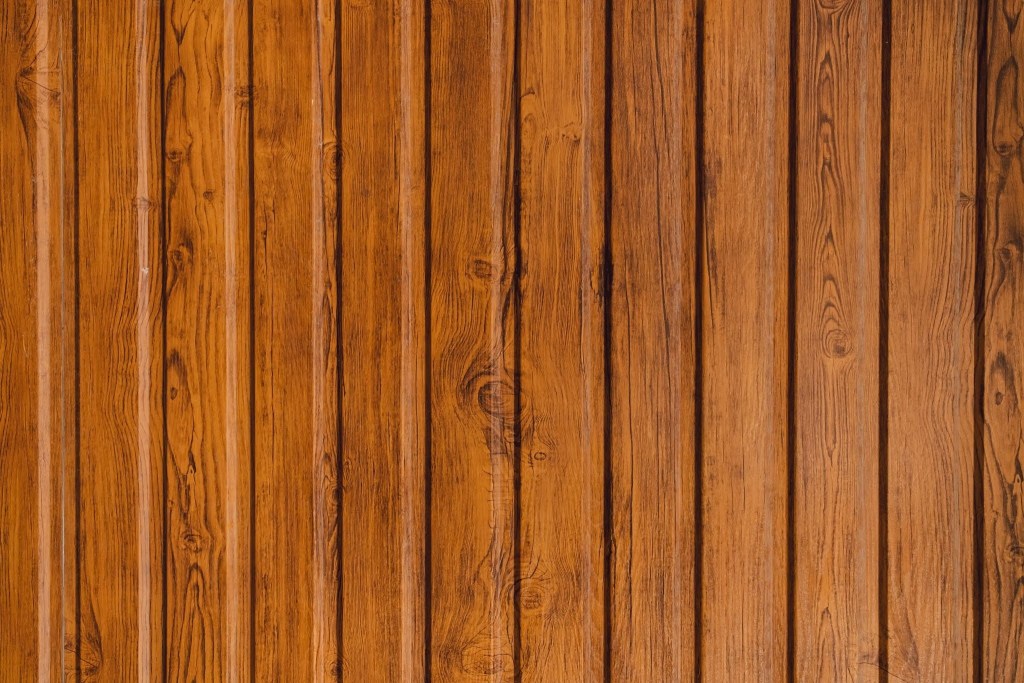
Engineered wood siding is made from wood fibers and resins compressed and treated to resist moisture, rot, and insects better than natural wood. It offers the look of real wood at a lower price point and with somewhat reduced maintenance demands.
| Feature | Natural Wood | Engineered Wood |
| Moisture Resistance | Low to moderate | Moderate to good |
| Fire Resistance | Low (untreated) | Low to moderate |
| Maintenance Required | High | Moderate |
| Cost | High | Moderate |
| Aesthetic Flexibility | High | High |
Engineered wood is a reasonable choice for homeowners who love the wood look but want to spend less time on upkeep. However, it is still vulnerable to moisture damage if not properly installed and sealed, which matters in California’s coastal and high-humidity zones.
It is not non-combustible, which limits its suitability for fire hazard areas. For those locations, fiber cement remains the stronger option by a clear margin.
Stucco Siding: A California Classic
Stucco has been a staple of California architecture for well over a century. Its textured appearance is practically synonymous with Spanish Colonial, Mediterranean, and Ranch-style homes across the state.
Traditional three–coat stucco is applied directly over a wire lath and is valued for its durability and fire resistance. When properly installed and maintained, stucco can last for decades with minimal intervention.
One known issue is cracking. Stucco can develop hairline cracks over time, especially in areas with seismic activity, which is most of California. These cracks need to be sealed promptly to prevent water intrusion behind the wall system.
Synthetic stucco, sometimes called EIFS (Exterior Insulation and Finish System), offers additional insulation value but has a more complicated relationship with moisture management. If water gets behind EIFS and cannot escape, damage can accumulate quickly and silently.
For the right home style and the right installation, stucco remains a solid choice in many parts of California.
Comparing Siding Types Side by Side
Here is a quick reference comparison of the major types of siding evaluated in this article across the factors that matter most for California homeowners.
| Siding Type | Fire Resistance | Moisture Tolerance | Maintenance Level | Lifespan |
| Fiber Cement | Excellent | Excellent | Low | 30-50 years |
| Vinyl | Moderate | Good | Very Low | 20-40 years |
| Wood | Low (untreated) | Low to moderate | High | 15-30 years |
| Engineered Wood | Low to moderate | Moderate | Moderate | 20-30 years |
| Stucco | Good | Moderate | Low to moderate | 25-50 years |
This table is meant as a general guide. Actual performance depends heavily on installation quality, maintenance habits, and specific climate exposure.
Key Factors to Prioritize When Choosing Siding in California
Not every homeowner faces the same set of conditions. Here is a practical way to think through your priorities before selecting a siding material.
- Identify your fire risk zone. Check whether your property sits in a California-designated High or Very High Fire Hazard Severity Zone. If it does, non-combustible materials like fiber cement or well-installed stucco should be at the top of your list.
- Assess your proximity to the coast. Marine air and salt spray accelerate the breakdown of paint, wood, and certain coatings. Materials with factory finishes and high moisture resistance perform significantly better in these conditions.
- Think about your maintenance tolerance. Be honest about how much upkeep you are willing to do. Wood looks beautiful but demands consistent attention. Fiber cement and vinyl require far less.
- Set a realistic long-term budget. Lower upfront costs sometimes mean higher lifetime costs when you factor in repainting, repairs, and earlier replacement cycles.
- Match the material to your home’s style. Fiber cement products come in many profiles that can replicate wood, shingles, or panels. You do not have to sacrifice aesthetics to get durable performance.
What to Expect From a Professional Siding Installation
Material choice matters, but installation quality matters just as much. Even the best siding product will underperform if it is not installed correctly.
A professional installation includes proper weather barrier integration, correct fastening patterns, accurate expansion gap allowances, and sealed penetrations around windows, doors, and utility openings. These details determine whether your siding system manages moisture effectively over the long term.
- Improper flashing leads to water intrusion behind siding panels
- Insufficient expansion gaps cause buckling in heat-exposed areas
- Missing or damaged house wrap reduces your wall’s moisture resistance significantly
- Poor caulking around trim allows water to penetrate at the most vulnerable points
Golden State Builders Group approaches every siding project with dedicated project managers and quality control professionals who oversee each stage of the installation process. That level of oversight is what separates a siding job that performs for thirty years from one that needs repairs within five.
Ready to Find the Right Siding for Your California Home?
Choosing among the many types of siding available today comes down to understanding your home’s specific climate exposure, your maintenance preferences, and your long-term vision for the property. California homeowners have more options than ever, but the best choice is always the one that balances performance, aesthetics, and realistic upkeep expectations for your particular location.
Fiber cement consistently rises to the top for most California conditions. But every home is different, and the right material for a coastal Marin County bungalow may not be the same as the right choice for an inland Contra Costa County ranch.
Golden State Builders Group has spent over two decades helping California homeowners work through exactly these decisions. When you are ready to talk through your options, contact our team, and we will help you find the siding solution that fits your home, your neighborhood, and your goals.
Pricing for siding materials and installation varies based on home size, material selection, and project complexity. Contact Golden State Builders Group for a project-specific estimate.