
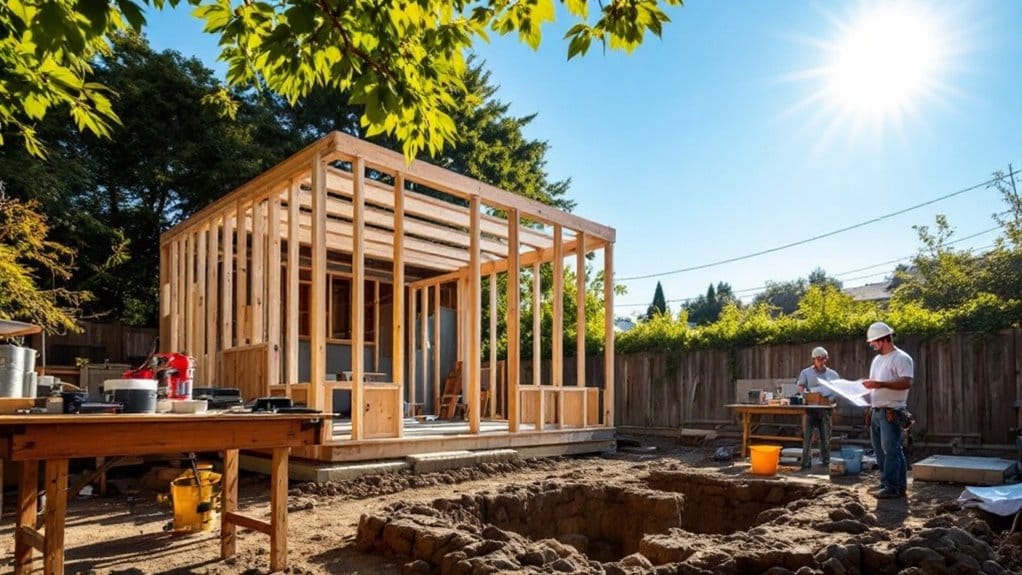
ADUs (extra living spaces) let Walnut Creek homeowners add more room to their property while making money from rent. State rules in California make it easier to build ADUs. Still, you need to follow local building rules and get the right permits to build legally. You can choose from many different designs to match your style and boost your home's worth. You can pay for an ADU through options like home loans or building loans. Taking good care of your ADU helps keep its value over time. Learning about ADUs can help you make the most of your property.
Key Takeaways
- Understand Walnut Creek's zoning regulations and consult the Planning Division before starting your ADU project.
- Choose from various design options that prioritize modern aesthetics and efficient use of space.
- Explore financing options like home equity loans or FHA 203(k) loans to support your ADU construction financially.
- Implement regular maintenance schedules and open communication with tenants to ensure property longevity and satisfaction.
- Be aware of occupancy limitations and privacy setbacks to meet community standards and enhance neighborhood welfare.
Understanding ADUs in Walnut Creek
ADUs (small extra homes) in Walnut Creek are becoming more important as housing gets more expensive.
California's laws have made it easier to build these units, which can be used for family members or rented out. In Walnut Creek, where many different types of people live, ADUs can boost property worth while helping with the housing shortage.
When homeowners add these small units to their yards, they make better use of their land, and those looking to make money can rent them out. As housing issues grow, ADUs offer a smart way to deal with high living costs and crowded cities.
Zoning Regulations and Permits
Building a second unit (ADU) in Walnut Creek can add value to your property and help with local housing needs, but you must follow the city's rules carefully.
You'll need to know about setbacks – the space you must leave between your ADU and your property edges – to ensure everyone's privacy and safety.
The city also sets limits on how many people can live in your ADU.
Before starting any work, check with the Walnut Creek Planning Division to get the right permits and make sure your plans follow all the rules.
When you handle these steps correctly, your ADU can be a good investment for you and benefit the neighborhood too.
Design Options for Your ADU
When planning how to design your ADU, look at different styles that match what you like and what your local building rules allow.
New, clean-looking designs can make your ADU look better and work well for daily life.
Many people pick simple layouts with open rooms, big windows, and earth-friendly building materials.
Make sure your floor plan works well, with each room having a clear use.
Add smart storage and furniture that can serve multiple purposes to make the space more livable.
Good design choices help create an ADU that looks great, works well, and adds value to your property while meeting your needs.
Financing Your ADU Project
Building an ADU costs a lot of money, so it's important to know how to pay for it. Good planning helps make sure you can both start and finish your project. Here are some ways to get the money you need:
- Home Equity Loan – Borrow money based on how much of your home you own. These loans usually have lower interest rates.
- Construction Loan – Made just for building projects. You get the money in parts as you need it.
- Personal Loan – Fast way to get money, but you'll likely pay more in interest.
- FHA 203(k) Loan – Lets you combine buying a home and fixing it up into one loan.
Each type of loan affects your money differently, so pick the one that works best for what you want to do.
Taking time to plan now can save you money later.
Construction Process Overview
After getting the money needed, you can start building your ADU by following key steps to make sure it's built well.
First, you need to get the land ready and check that everything follows local building rules.
Next, you need to pick your building materials – good quality ones that will last a long time and won't harm the environment.
Adding things like energy-saving appliances and solar panels can help cut down your bills and be better for the planet.
As you build, keep checking the work to make sure everything looks good and is strong enough.
Being careful about all these details means your ADU will stay in good shape and turn out just how you want it.
Choosing the Right Contractor
Finding a Good Contractor
Picking the right contractor can make or break your ADU project. Think about these key points when you make your choice:
- Skills and Papers: Make sure the contractor has the right permits, training, and has built ADUs before.
- Good Talk: Pick someone who's easy to reach, keeps you in the loop, and listens when you have questions.
- Past Work: Look at their finished projects to see if they match what you want.
- What Others Say: Read reviews and talk to their old customers to learn if they do good work and keep their word.
Benefits of ADUs for Homeowners
More and more homeowners are seeing how adding small living units, known as ADUs, can help solve their housing needs.
One big benefit of building an ADU is that it can make your property worth more money. When these units are built well, they make homes more appealing and can bring a better price when sold.
Also, homeowners can make money by renting out their ADU, creating steady income that can help pay the mortgage or cover home repairs.
These two main benefits – higher property value and rental income – make ADUs a good choice for people who want to add living space while improving their finances.
In the end, ADUs are a wise choice for homeowners who want to make the most of their property and build financial security.
Maintenance and Management Tips
Keeping your ADU in good shape is key to maintaining its worth and keeping tenants happy.
Taking care of problems before they happen creates a better living space for everyone.
- Check Everything Regularly: Look at the plumbing, wiring, and building structure often to catch problems early and save money.
- Talk with Tenants: Keep in touch with tenants and listen to what they say to build better relationships.
- Plan Your Upkeep: Write down all maintenance tasks and when they need to be done so nothing gets missed.
- Fix Problems Quickly: When tenants report issues, take care of them right away to build trust and keep tenants longer.
Frequently Asked Questions
How Long Does ADU Construction Typically Take in Walnut Creek?
Building an ADU in Walnut Creek usually takes between three to six months. The time needed depends on how simple or complex your design is, and how long it takes to get permits. If there are delays in getting approvals, the project can take longer.
Can I Use My ADU as a Short-Term Rental?
Yes, you can rent out your ADU for short stays if your local rules allow it. This can help you earn extra money from your property while being part of your neighborhood's growth and activity.
What Are the Property Tax Implications of Adding an ADU?
Building an ADU usually means your property will be checked and valued again, which can lead to higher property taxes. But some cities and towns don't raise taxes as much if you're building housing that people can afford. Make sure to check your local rules before you start building.
Are There Specific Design Requirements for Eco-Friendly ADUS?
Eco-friendly backyard homes need to follow certain green building rules. These small homes should use earth-friendly building materials and save energy through features like solar power and good insulation. This helps protect the environment and makes the property worth more money.
What Happens if I Want to Sell My Property With an ADU?
Selling a home with an ADU can boost its worth and make it more attractive to buyers. The extra living space draws many types of buyers, which often means faster sales and better prices, especially in busy housing markets.
Conclusion
In summary, the addition of an accessory dwelling unit (ADU) in Walnut Creek presents significant opportunities for homeowners, including increased property value and versatile living arrangements. Adhering to zoning regulations while selecting appropriate design and financing options is essential for a successful project. Working with experienced contractors like GS Builders Group and implementing effective maintenance strategies helps ensure the longevity and functionality of the ADU. Ultimately, investing in an ADU not only addresses housing needs but also contributes positively to the community.